
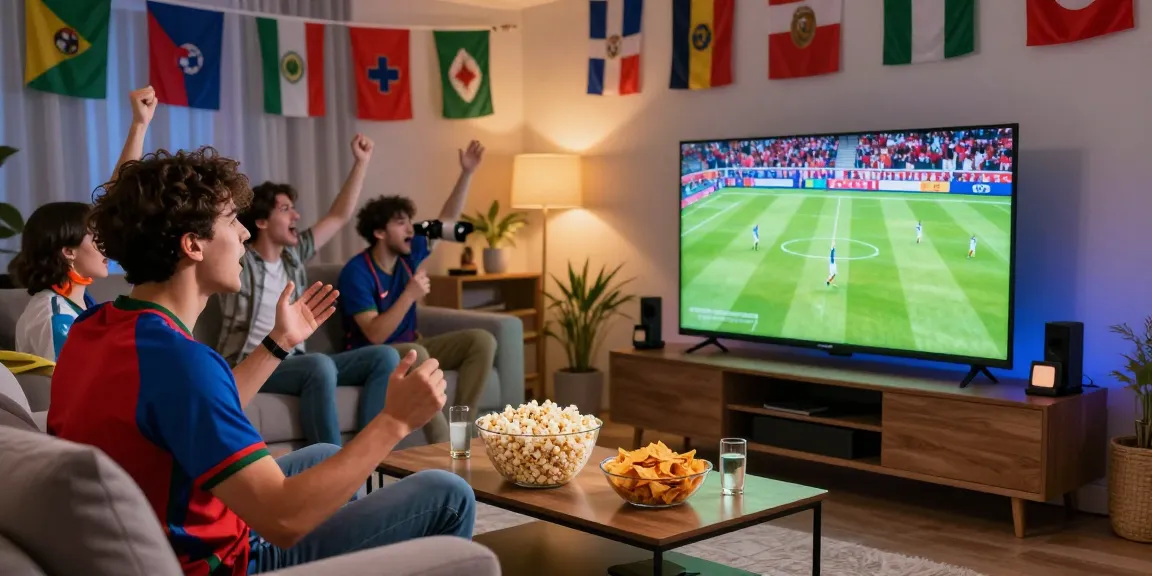
Understanding World Cup 2026: Key Features and Changes
The World Cup is not just a sporting event; it is a global phenomenon that captivates billions. Scheduled to take place in 2026, this edition of the World Cup promises to be unlike any other, with significant changes and enhancements that elevate the viewer experience. This tournament will be the first to feature an expanded format, allowing more teams to participate and engage a larger audience. Additionally, the integration of cutting-edge technology will transform the way fans interact with the event. For those seeking detailed insights into the upcoming world cup 2026, this article will explore its unique characteristics, host cities, fan engagement strategies, and more.
What Makes World Cup 2026 Unique?
The 2026 World Cup will be historic in several ways. For the first time, the tournament will feature 48 teams, expanding from the traditional 32. This significant increase not only offers more nations a chance to compete but also amplifies the excitement and unpredictability of the matches. The tournament will be jointly hosted by three countries: the United States, Canada, and Mexico, marking a return to North America after the last time in 1994.
Moreover, the competition format will change, with teams split into 16 groups of three. This change will ensure that each team plays at least two matches, enhancing the competitive atmosphere and providing fans with more football action to enjoy.
Major Host Cities and Venues
The choice of host cities plays a crucial role in the overall appeal of the World Cup. The 2026 tournament will showcase some of the most iconic venues across North America. Key cities include:
- New York City: MetLife Stadium will host a series of high-stakes matches, drawing in fans from across the globe.
- Los Angeles: The SoFi Stadium in Inglewood will be another centerpiece, known for its modern architecture and state-of-the-art facilities.
- Toronto: The BMO Field will represent Canada, bringing a unique cultural flavor to the mix.
- Mexico City: The Estadio Azteca, a historic venue that has witnessed two previous World Cups, will be an iconic setting for matches.
Innovative Technology and Fan Experience Enhancements
As we move into an era where technology plays a pivotal role in sports, the World Cup 2026 will be no exception. From augmented reality apps that allow fans to immerse themselves in match highlights to advanced analytics enhancing the viewing experience, technology will change the game. Fan zones equipped with virtual reality experiences and live data displays will ensure that attendees feel closer to the action, even when they’re miles away.
The introduction of VAR (Video Assistant Referee) technology has already set a precedent in previous tournaments, but expect even more refined implementations in 2026. This technology will not only aim to improve the accuracy of officiating but also enhance fan interaction and engagement.
Effective Strategies for Engaging with World Cup Content
As brands and marketers gear up for the World Cup, developing effective content strategies becomes crucial. Engaging with the audience in real-time through various platforms can significantly enhance the overall experience. Here are key strategies to consider:
Utilizing Social Media for Real-Time Updates
Social media platforms have become essential tools for engaging with fans during major sporting events. From conducting live commentary on platforms like Twitter and Instagram to sharing highlights and behind-the-scenes content, brands can foster a vibrant online community. Utilizing hashtags related to the world cup 2026 can help in reaching a broader audience and creating a sense of connection among fans.
Creating Interactive Fan Experiences
Bringing fans into the action enhances their connection to the tournament. Interactive experiences, such as predictive games and fantasy football leagues, encourage participation and can serve as effective promotional tools. Brands can also explore opportunities through gamification, offering prizes for fan engagement.
Leveraging User-Generated Content and Feedback
Encouraging fans to share their experiences and opinions can lead to a wealth of user-generated content. This not only builds a sense of community but also provides valuable insights into audience preferences. Brands should create campaigns that invite fans to share their stories, photos, or videos, helping to amplify their reach.
Measuring Audience Engagement During the Tournament
Understanding how audiences engage with content during the World Cup is crucial for both brands and organizers. Key performance indicators (KPIs) will help in assessing the success of strategies deployed throughout the tournament.
Key Performance Indicators for Sports Events
Metrics such as viewership numbers, social media engagement (likes, shares, comments), and website traffic are critical in measuring audience engagement. Analyzing these KPIs will provide insights into what content resonates most with fans and how they interact with various media.
Analyzing Viewership Trends and Preferences
By examining historical data on viewership trends, marketers can refine their strategies to better cater to the audience. Understanding peak viewing times, preferred platforms, and demographic insights will allow brands to tailor their content more effectively.
Tools and Metrics for Tracking Engagement
Using tools like Google Analytics, Hootsuite, and others can facilitate in-depth analysis of audience engagement. These platforms offer insights into traffic sources, audience behavior, and content performance, allowing for data-driven decision-making.
Strategies for Maximizing Event-Driven Marketing
The World Cup presents a unique opportunity for brands to engage with consumers through event-driven marketing. An effective strategy can enhance brand visibility and encourage fan loyalty.
Creating Targeted Campaigns for World Cup 2026
Understanding the interests and behaviors of football fans is crucial for crafting targeted marketing campaigns. Personalized ads and promotions based on fan interests can significantly increase engagement and conversion rates.
Collaborations and Partnerships with Brands
Team up with other brands that resonate with the World Cup theme to create co-branded campaigns. Such partnerships can amplify reach and provide exclusive offers that attract more fans to engage with the content.
Leveraging Influencers to Expand Reach
Influencers play a pivotal role in today’s marketing landscape. By collaborating with sports influencers, brands can tap into their established fan bases. This helps in authentic engagement, as influencers can share personal experiences and opinions about the World Cup.
Looking Ahead: Future Trends Beyond World Cup 2026
As the world of sports continues to evolve, the trends that emerge from the 2026 World Cup are expected to shape the future of sports marketing and fan engagement.
Predictions for Sports Marketing Post-2026
Post-2026, we can anticipate a surge in digital fan engagement strategies. Brands will likely continue to explore immersive experiences, such as augmented and virtual reality, to create meaningful connections with consumers.
Emerging Technologies in Sports Broadcast
Innovations such as AI-driven analytics, 5G connectivity for smoother streaming experiences, and enhanced broadcasting technologies will transform how people consume sports. These trends will create more interactive and engaging viewing experiences, making fans feel closer to the action.
Building Long-Term Fan Relationships
Long after the final whistle of the World Cup, brands need to focus on maintaining relationships with fans. This can be achieved through ongoing engagement initiatives, loyalty programs, and continuous content that resonates with their interests and passions.